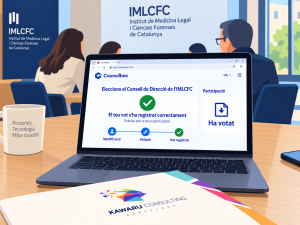



In recent years, the combination of legal certainty and digital transformation has revolutionized the healthcare industry in unprecedented ways. Technological advancements have given rise to new ways of delivering medical care and have completely transformed how healthcare professionals interact with patients. As healthcare enters the digital age, it is essential to analyze how these two forces converge to improve the quality of care and protect patients' rights.
The Role of Legal Security in Healthcare:
Legal certainty is fundamental in healthcare, as it provides a robust legal framework that regulates all medical practices and protects patients' rights and well-being. Healthcare systems must comply with strict regulations to guarantee the confidentiality and privacy of medical information, as well as to prevent potential negligence or malpractice. Legal certainty also establishes the accountability of healthcare professionals and hospitals, ensuring they are responsible for their actions.
Impact of Digital Transformation on Healthcare:
Digital transformation has had a significant impact on healthcare, improving the efficiency and quality of medical care. The implementation of technologies such as artificial intelligence, the Internet of Things (IoT), and big data has enabled more precise and detailed collection of medical data. This has facilitated the early diagnosis of diseases, the personalization of treatments, and the prediction of medical outcomes.
Furthermore, telemedicine and online healthcare platforms have revolutionized how patients access care. Virtual medical consultations, remote diagnoses, and real-time access to medical information are now possible. This has expanded access to healthcare in rural areas and provided greater convenience for patients.
The Intersection of Legal Security and Digital Transformation:
At the intersection of legal certainty and digital transformation in healthcare, it is essential to analyze how these two forces converge to improve the quality of care and protect patients' rights. Here are some key aspects of how these two forces converge:
- Data Protection and Privacy:
Digital transformation has led to increased collection and storage of medical data. To protect patient privacy, it is essential that healthcare systems comply with data protection regulations, such as the General Data Protection Regulation (GDPR) in Europe. Patients must be assured that their medical information is secure and will only be used for legitimate medical purposes.
- Medical Liability:
As digital technologies become more prevalent in healthcare, it is crucial to establish clear accountability in cases of errors or malpractice. Legal certainty must ensure that healthcare professionals and online service providers are held responsible for their actions and decisions, guaranteeing that patients receive safe and appropriate care.
- Regulation of Telemedicine:
Telemedicine has gained traction as a convenient way to deliver healthcare. However, it is crucial that legal frameworks properly regulate this practice to ensure that online medical consultations are safe and effective. Physicians must be licensed and certified to conduct virtual consultations, and patients must have confidence that they are receiving quality care.
Conclusion:
The convergence of legal certainty and digital transformation in healthcare is an important step towards more efficient, accessible, and secure medical care. Proper regulation of digital transformation in healthcare ensures that patients receive the care they need while protecting their rights and privacy. By harnessing the potential of technology in healthcare, we can improve people's quality of life and move towards a healthier, more connected future.